
Folic acid and pregnancy planning
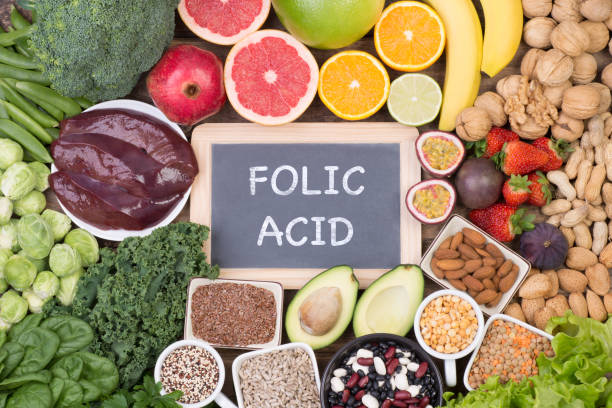
Lee E LynBPharm (Hons), MSc, RPh Folic acid, also known as vitamin B9, is a vitamin that is important for our body to make new cells. The terms folic acidand folate are usually used interchangeably and generally refer to the same thing. The only difference is that folic acid is man-made while folate is naturally occurring and is […]
The long term silent complications of poorly managed diabetes

Jason Loo Siau EePhD, MPharm, RPh Diabetes is one of the most common diseases in the world, and is becoming increasingly prevalent due to our sedentary lifestyles and eating habits. As most people already know, diabetes results in having high blood sugar, and is caused by either your body being unable to produce enough insulin […]
No sweat no gain: truth or fiction?

Lee E LynBPharm (Hons), MSc, RPh I’m drenched in sweat. That would mean I’ve exercised enough, right? In my attempts to try and be fit, I’ve asked my personal trainer once: “I’m not sweating enough. What am I not doing right?”, to which he replied, “Sweating is not a good gauge of how much calories you’ve burned”. […]
Are statins safe?

Jason Loo Siau EePhd, MPharm, RPh A few years ago, a video went viral on social media, urging people to stop using cholesterol-lowering drugs such as statins (e.g. simvastatin – Zocor®, atorvastatin – Lipitor® and rosuvastatin – Crestor®) to prevent their liver and muscles from being damaged. While the video was ultimately proven to be a […]
Probiotics and constipation

John Tiong Jeh LungMPharm, PhD, RPh Bowel habits vary from one individual to another, although you are generally considered constipated if you have not passed stool in more than 3 days. It is worth knowing that, the longer the stool remains in the large intestine, the more difficult it is for you to defecate as […]
Alkaline water a cure for cancer: Fact or fiction?

John Tiong Jeh LungMPharm, PhD, RPh The anticancer effect of alkaline water (pH above 7) is at present a controversial topic of hot discussion. It is believed that acidogenic diets can cause the blood which has a normal physiological pH of approximately 7.4 (slightly alkaline) to become too acidic (pH less than 7), hence increasing the […]